
Des couleurs et des fleurs…
Mix of my painting (i modified it with Photoshop) and my floral pattern.
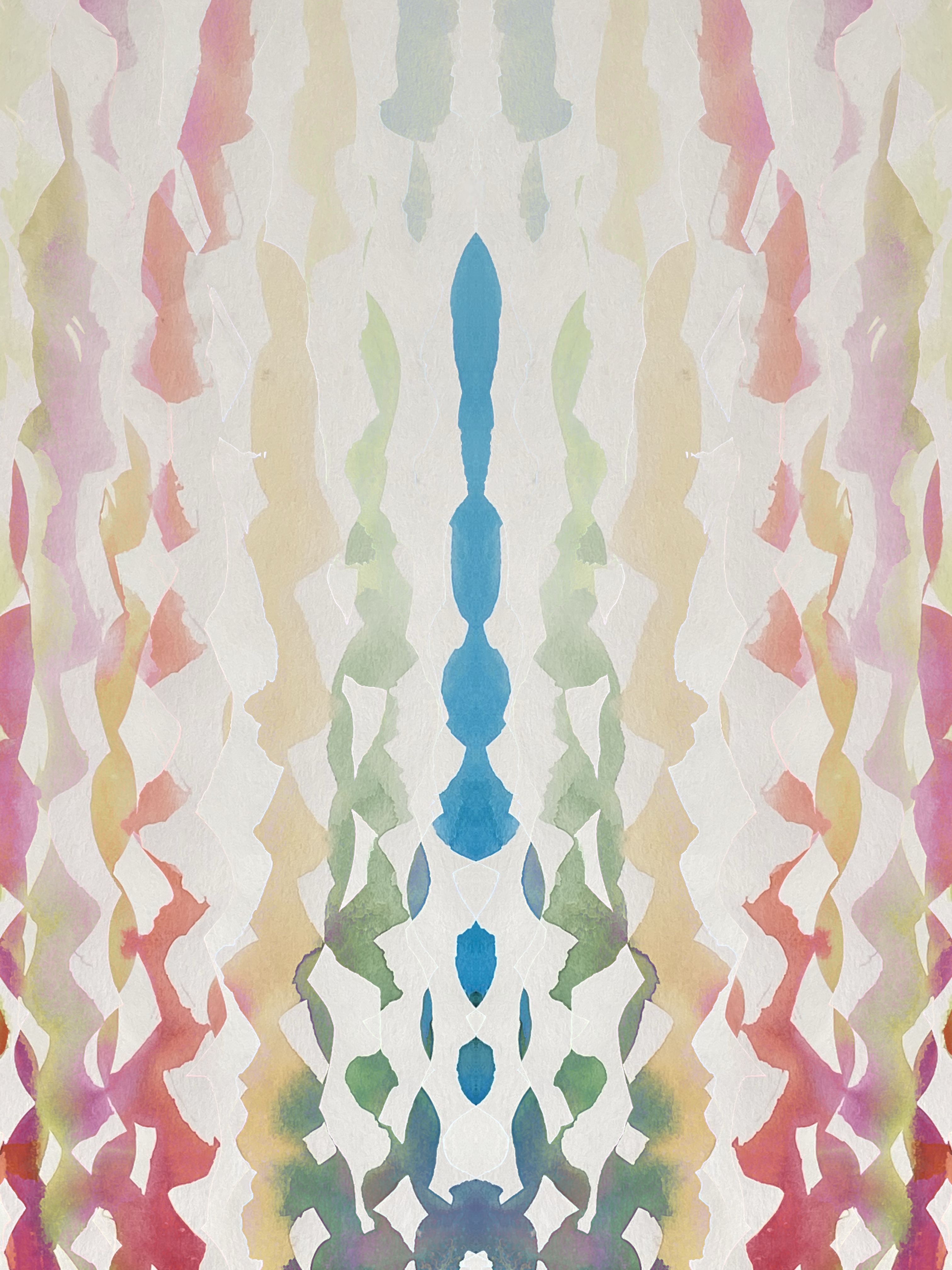


An impressionist Easter egg
Jacques Génin Easter egg and the Van Gogh painting (The starry night).


Adorning oneself with bracelets
Detail of a Klimt’s painting (Woman in gold) and my patterns (background and bracelets).


Snowy Christmas
Claude Monet’s painting, Schweitzer Wilhelm Pewter’s animal figurines and Andrea Fohrman’s star earring.


“Santa classics” by the photographer Ed Wheeler
In “Santa classics”, the artist Ed Wheeler imagines Santa through the history art.


The Tsarina Alexandra Feodorovna (2)
Fabergé’s egg pendant and portrait of Tsarina Alexandra Feodorovna. The Russian jewelry House Fabergé was founded by Gustav Fabergé (1814-1893). His son, Peter Carl Fabergé (1846-1920) is the famous Russian jeweler who created the famous Fabergé Eggs (Easter eggs were made as gifts for the Tsars Alexander III and Nicholas II’s wives and mothers). He…


15th century’s grace
Garnet renaissance revival Victorian pendant and brooch, Museum of jewelry’s renaissance inspired earrings, painting of Hugo Van Der Goes “Sts. Margaret and Mary Magdalene with Maria Portinari” (1476-79) and my pattern.


Maria Von Kleve / Marie de Clèves
Maria Von Kleve (or Marie de Clèves) (1426-1487) was a Princess and a benefactor during the 15th century. After her wedding with Duc Charles of Orleans, she began the Duchess of Orleans in 1440. She was the mother of the King of France Louis XII. Museum of jewelry’s moonstone and pearl necklace, my golden pattern…


Renaissance beauty
Renaissance is both an artistic movement and a period which took place in Italy in the 14th and 15th century. It ended in the end of the 16th century with the manierism. Renaissance is the end of the Middle Ages and the beginning of the modern times. Museum of jewelry’s Renaissance inspired earrings and cross…


Botticelli’s Venus among roses
Botticelli’s painting (“Birth of Venus”, 1484-1485) and my photo of roses in the jardin des plantes in Paris. In the Greek mythology, Aphrodite is the Goddess of love, beauty and seduction. Venus is the equivalent in the Roman mythology.


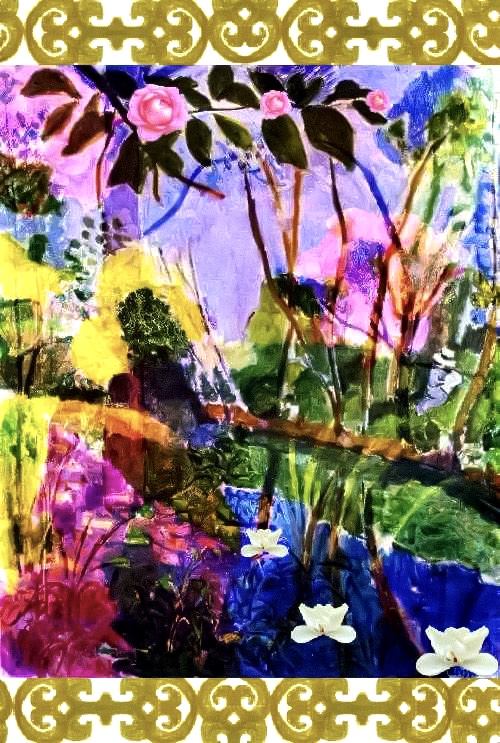

Colorful Fauvist landscape
Henri Matisse’s paintings, flowers i photographed and my pattern. Henri Matisse was the founder of the art movement Fauvism (20th century). In 1905, the art critic Louis Vauxcelles designated the room where young artists exposed at the Grand Palais in Paris, as “a wild cage” (“Cage aux fauves”) due to the use of vivid colors…


Une journée colorée
Henri Mangin’s paintings. Henri Manguin is a painter belonging to the Fauvism movement (also called Les fauves). In 1905, the art critic Louis Vauxcelles designated the room where young artists exposed at the Grand Palais in Paris, as “a wild cage” (“Cage aux fauves”) due to the use of vivid colors in a free way…


Un paysage fauve
André Derain’s paintings and my floral pattern. André Derain was a major figure of the Fauvism with Henri Matisse. In 1905, the art critic Louis Vauxcelles designated the room where young artists exposed at the Grand Palais in Paris, as “a wild cage” (“Cage aux fauves”) due to the use of vivid colors in a…


