

History of the Victorian jewelry
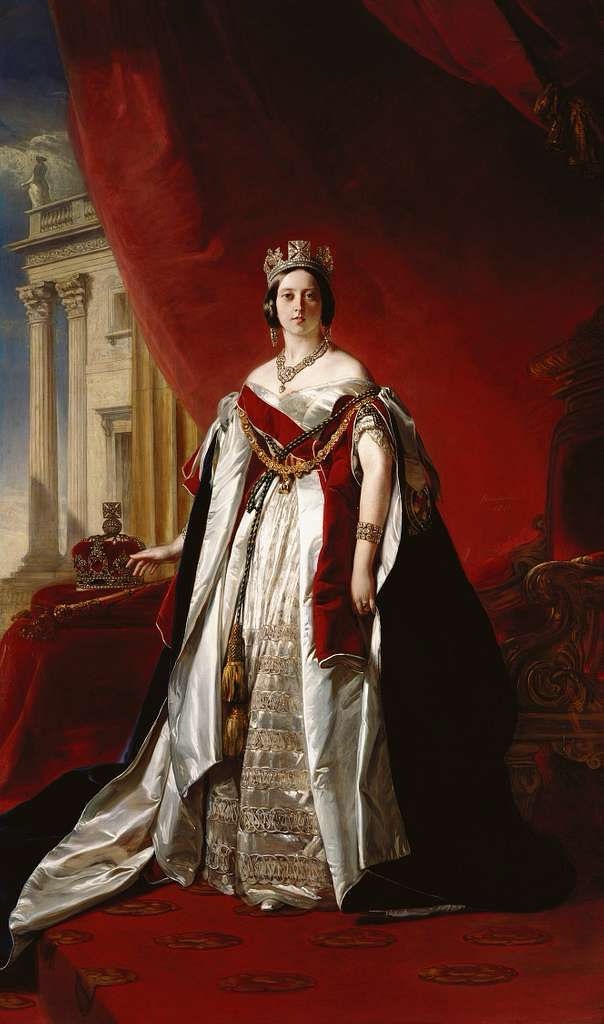
Jewelry during Queen Victoria reign (1837-1901) was feminine, sentimental, meaningful and symbolic. Jewels were also inspired by the nature. Whereas Victorian jewelry at the beginning was heavy, intricate, full of details, jewels became at the end less ostentatious, smaller, simpler and more practical to women who were more and more many to work.


Renaissance beauty
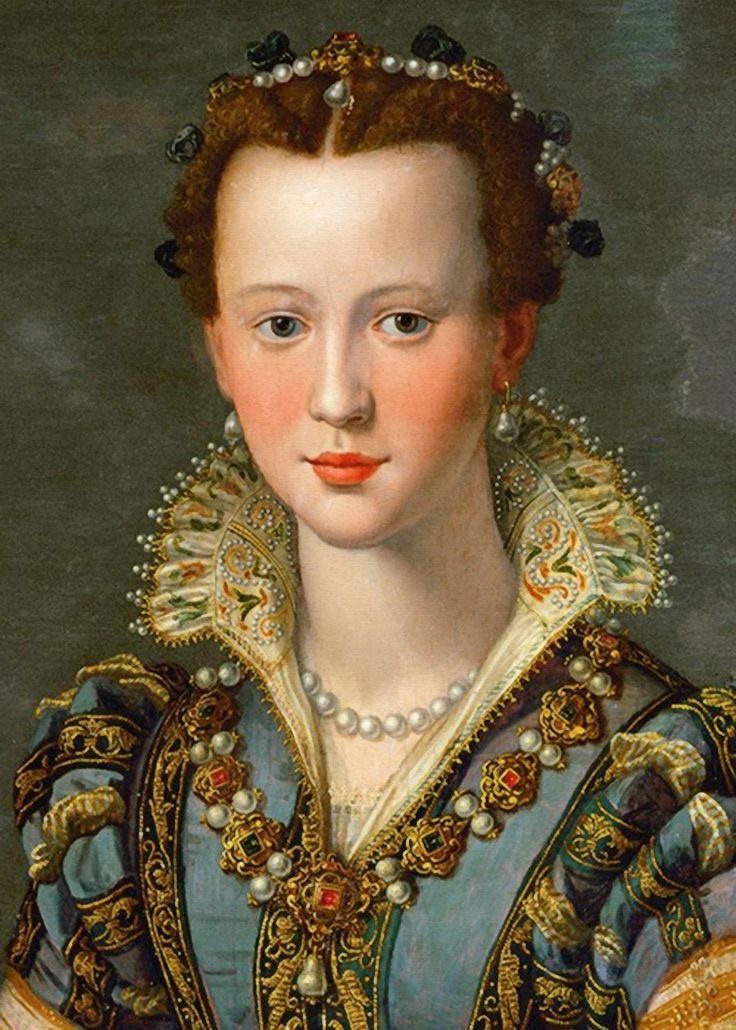
Renaissance is both an artistic movement and a period which took place in Italy in the 14th and 15th century. It ended in the end of the 16th century with the manierism. Renaissance is the end of the Middle Ages and the beginning of the modern times. Museum of jewelry’s Renaissance inspired earrings and cross…


Victorian Aesthetic jewelry : History and styles (1885-1901)
The Late Victorian era (1885-1901) was also referred to the ‘Aesthetic Period’. Conservatism and tradition were rejected. Jewels of this period were different from the previous typed of jewelry. The Jewels became simpler, lighter, smaller (studs…), less heavy, less dark but feminine. These jewels fitted with an active life.


The Grand Duchess Anastasia Nikolaevna of Russia
Colored photo of the Grand Duchess Anastasia Nikolaevna of Russia, my design made based on my photo of fireworks in the Versailles castle, France and Fabergé’s brooch made for the Russian Imperial Romanov family (circa 1905). “The 14k rose and green gold presentation brooch, with a white guilloche enamel background and a sunburst pattern, bears…


The indiscreet Emma Woodhouse
19th century English Regency Gilt Neoclassical Mirror ; Amethyst and aquamarine drop earrings and a photo of Gwyneth Paltrow as Emma Woodhouse in the movie “Emma” directed by Douglas McGrath in 1996. Emma Woodhouse is a character of the Jane Austen’s novel Emma published in 1815. Emma is a young, rich and clever woman who…


Historical inspired jewelry (1)
Antique jewelry : Greek (-1700 to -30), Roman (From 753 before J.-C to 476 after J.-C) and Etruscan ( From VIII century to 1st century before J.-C) jewelry are sources of inspiration for current jewelers.