Moroccan stripes
My photo of stripes from the Palace Bahia in Morocco. I modified the colors and duplicated my photo with Photoshop.

La Mamounia in Marrakech
My photo of the hotel La Mamounia in Marrakech, Morocco and white dress.


Colorful Morocco
Chefchaouen (blue city) in Morocco (Pinterest), dresses and photos of cats.
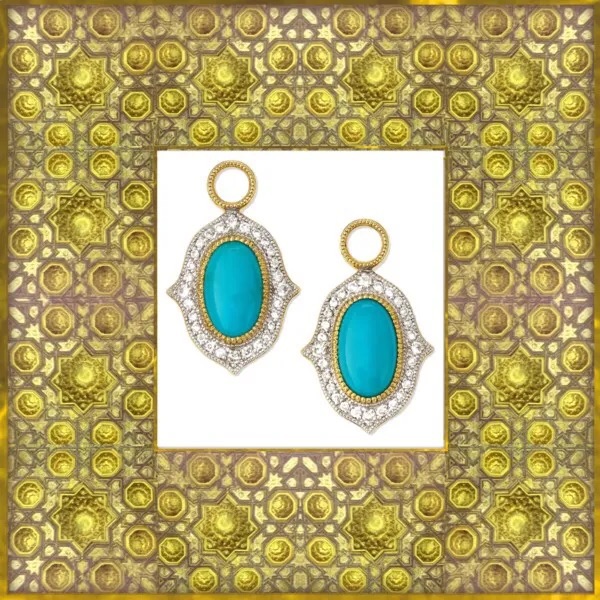

Oriental splendour
I used a photo (gold ornaments) taken by me at the Saadian tombs, in Marrakech, Morocco. Jude Frances’ earrings.
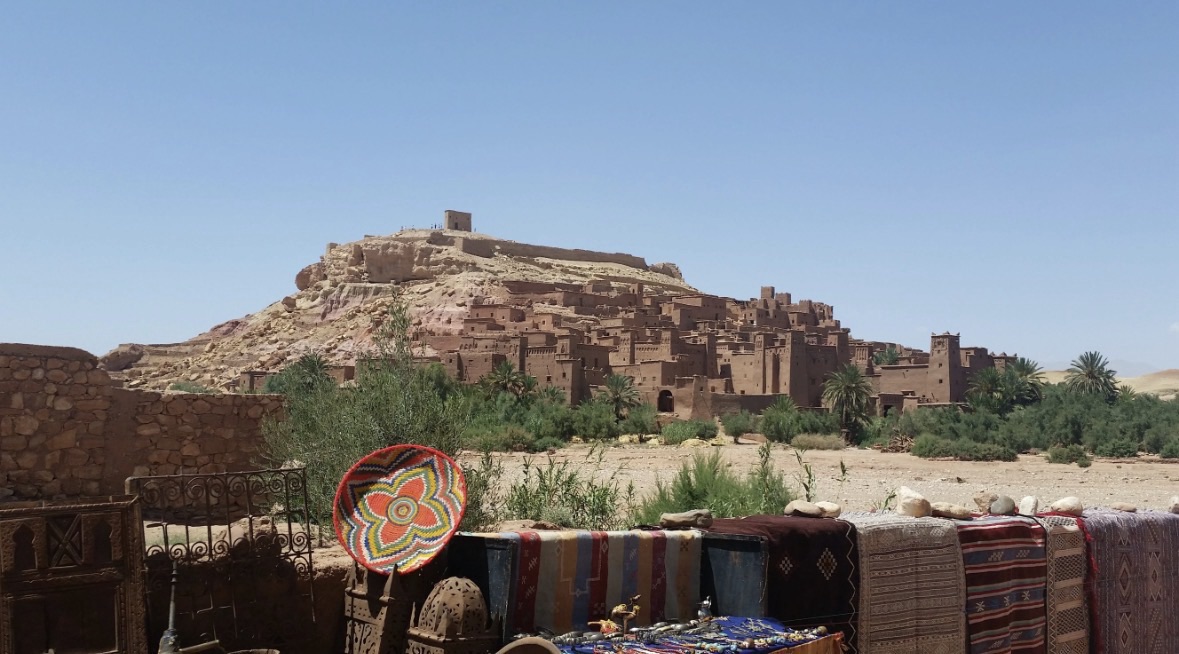

The Ksar Aït Ben Haddou
Located at 30km at north of Ouarzazate, the Ksar Aït Ben Haddou is classified by UNESCO. The Ksar is also famous because it had been a film set for many famous movies : “The jewel of the Nile”, Lawrence Arabia”, “Alexander”, “Ben Hur”, “A tea in Sahara”… This Ksar is typical of Southern Morocco architecture…


The Telouet Kasbah in Morocco
Telouet is a Berber village located in the High Atlas Mountains, between Marrakech and Ouarzazate. The Telouet Kasbah is also named “the Glaoui Kasbah”. The governor of Marrakech, T’hami el Glaoui and his family used to live here in the early XXth century. The Kasbah’s name was given in honor of the Head of the Glaoua…


La Mamounia, a palace hotel in Marrakech
La Mamounia is a mythic palace hotel in Marrakech, opened in 1923. The name of the hotel comes from the garden’s owner (Moulay Mamoun) where the palace was built. Renowned artists had been sollicited including the famous painter Jacques Majorelle (inventor of the Majorelle blue).


Flooded with light and colours
I used as background a photo taken by me in Palais de la Bahia in Marrakech :
Among a swirl of colours in the Palais Bahia in Marrakech
Tome’s dress. I used this photo taken by me at the Palais Bahia in Marrakech : Enregistrer Enregistrer
Colorful in Marrakech
The necklace is a Loulou de la Falaise’s jewel. This photo used as background was taken by me in the Jardin Majorelle in Marrakech :
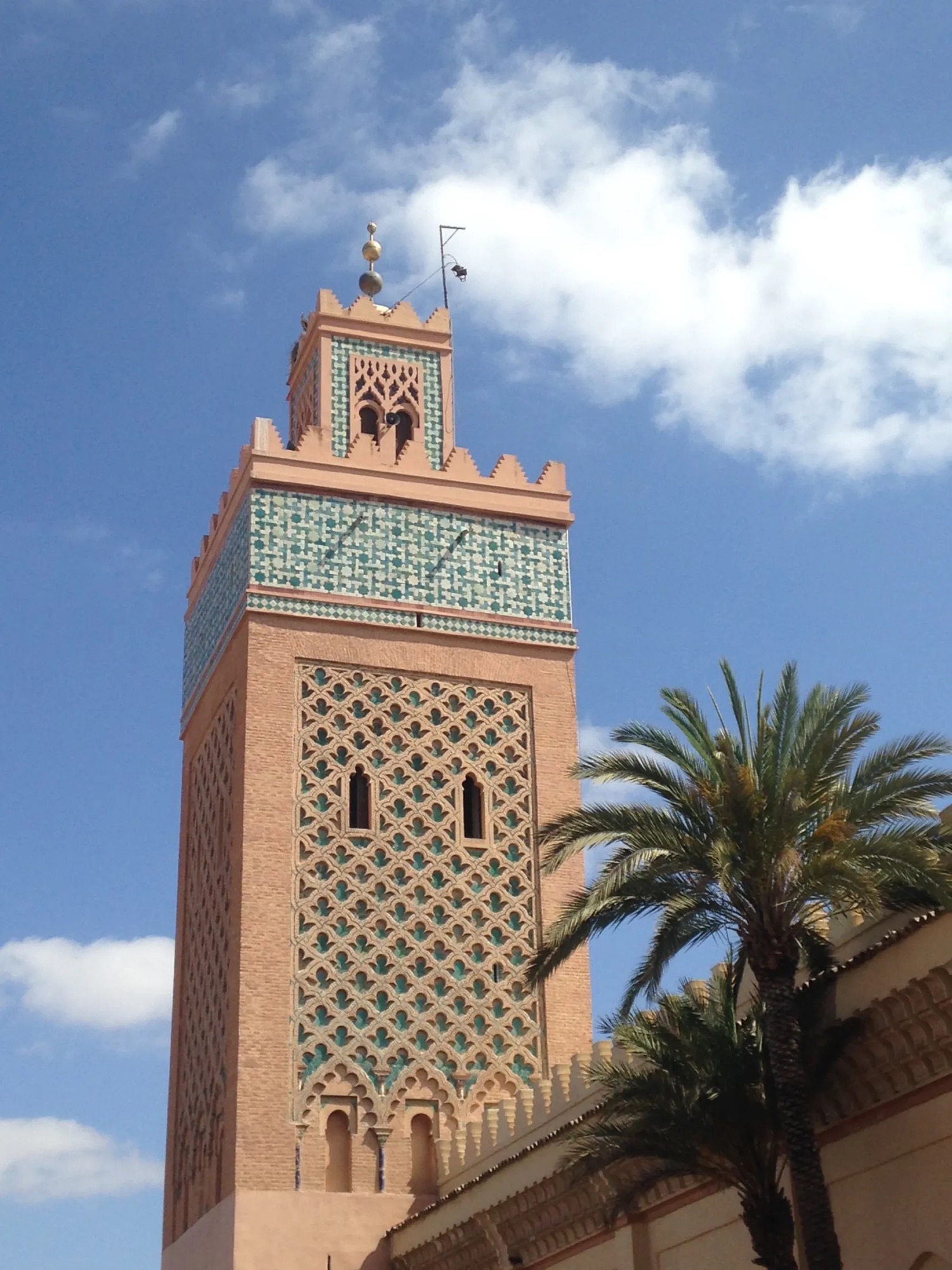

The Koutoubia in Marrakech
The Koutoubia has a minaret topping by a 70m-high square tower. The first sanctuary was built under the reign of Abd el-Moumen, but was destroyed due to its imperfect alignment with Mecca. The Koutoubia acquired its current look under the reign of Yacoub el-Mansour. Source : http://www.viamichelin.co.uk/web/Tourist-Attraction/Marrakech-_-Koutoubia-9dtttjn5
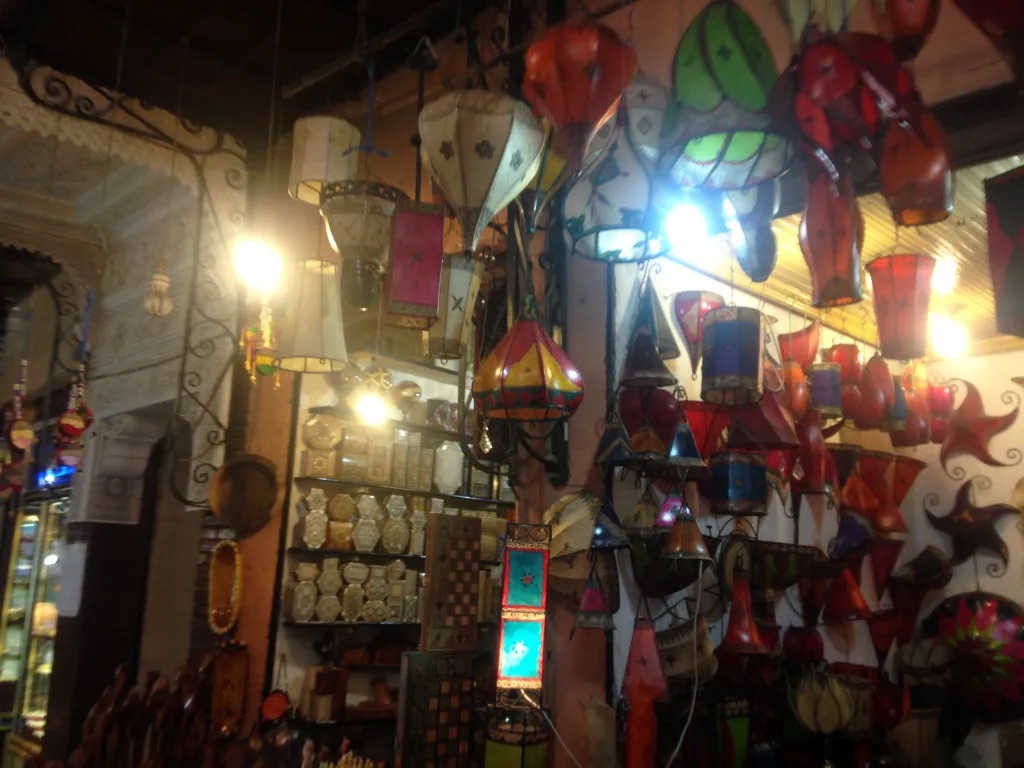

Wandering in the souks of Marrakech
Walking in the souks of Marrakech is a pleasant change of scenery. The souks means in Arabic “markets”. It is very lively and colorful. It is a myriad of tiny streets, a real labyrinth ! There are various souks ; each souk is specialized in one type of products (tannery, slippers, blacksmiths, carpets…). About 40…

The Saadian tombs in Marrakech
The Saadian tombs (discovered in 1917) were built under the reign of the Sultan Ahmed el Mansour in the 16th century. It was a burial site for himself and his descendants. About two hundred members of the Saadian dynasty were buried there. The Saadian (or Zaydanides) are a cherifian Arab dynasty coming from the Draâ…
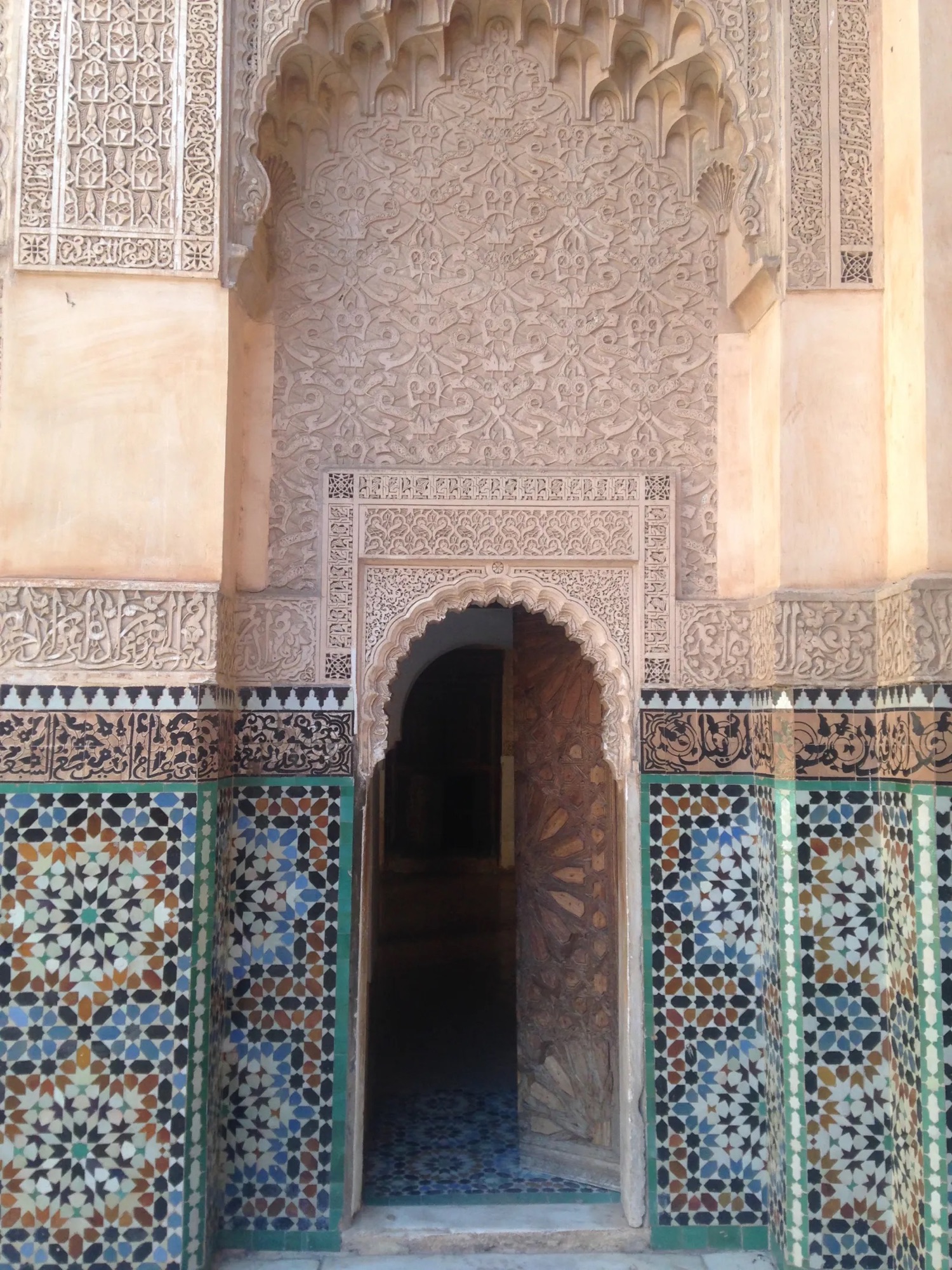
Medersa Ben Youssef in Marrakech
The Medersa (arabic word for school) Ben Youssef was an important koranic university. It was built in 1570 at the request of the Sa’did Sultan Abdellah Al Ghalib in order to educate the young men attending the mosque located nearby. The medersa’s name is a tribute to the Sultan Ali Ben Youssef who fortified Marrakech in…

Palais Bahia : Jewel of the Hispano-Mauresque art
Palais Bahia is incredibly decorated with somptuous mosaics, sculpted stone artifacts and painted doors and ceilings. The palace was built under the reign of two sultans : Sidi Mohammed ben Abd al Rahman (1859-1873) and Moulay Abd al-Aziz (1894-1908). The construction lasted seven years and was realised by the architect El Mekki. Sources : http://www.palais-bahia.com/en/…
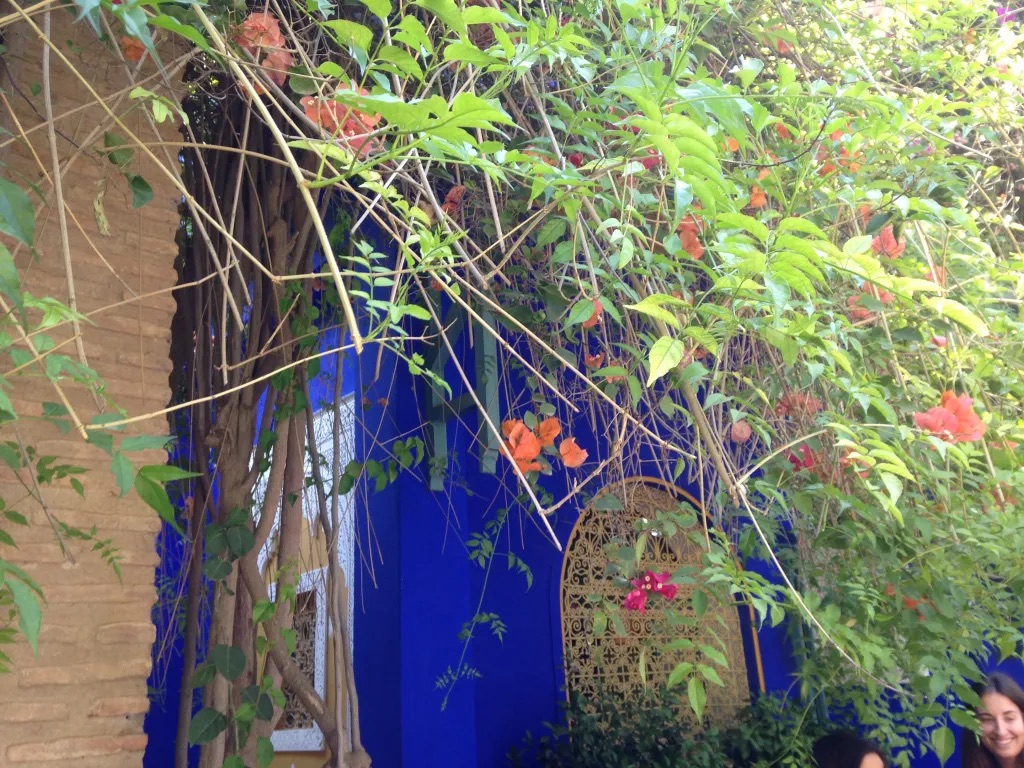
Le jardin Majorelle : An oasis of colours in Marrakech
The French painter Jacques Majorelle (1886-1962) created this wonderful botanic garden in the 1920’s. Passionate about botany, he brought back exotic plants from his travels (cacti, palm trees, bamboo, coconut palms, jasmine, agaves, bougainvilleas…). He uses the famous Majorelle blue to paint his villa and the garden : an ultramarine, a cobalt blue. He wanted…


