

Graphic Art Deco
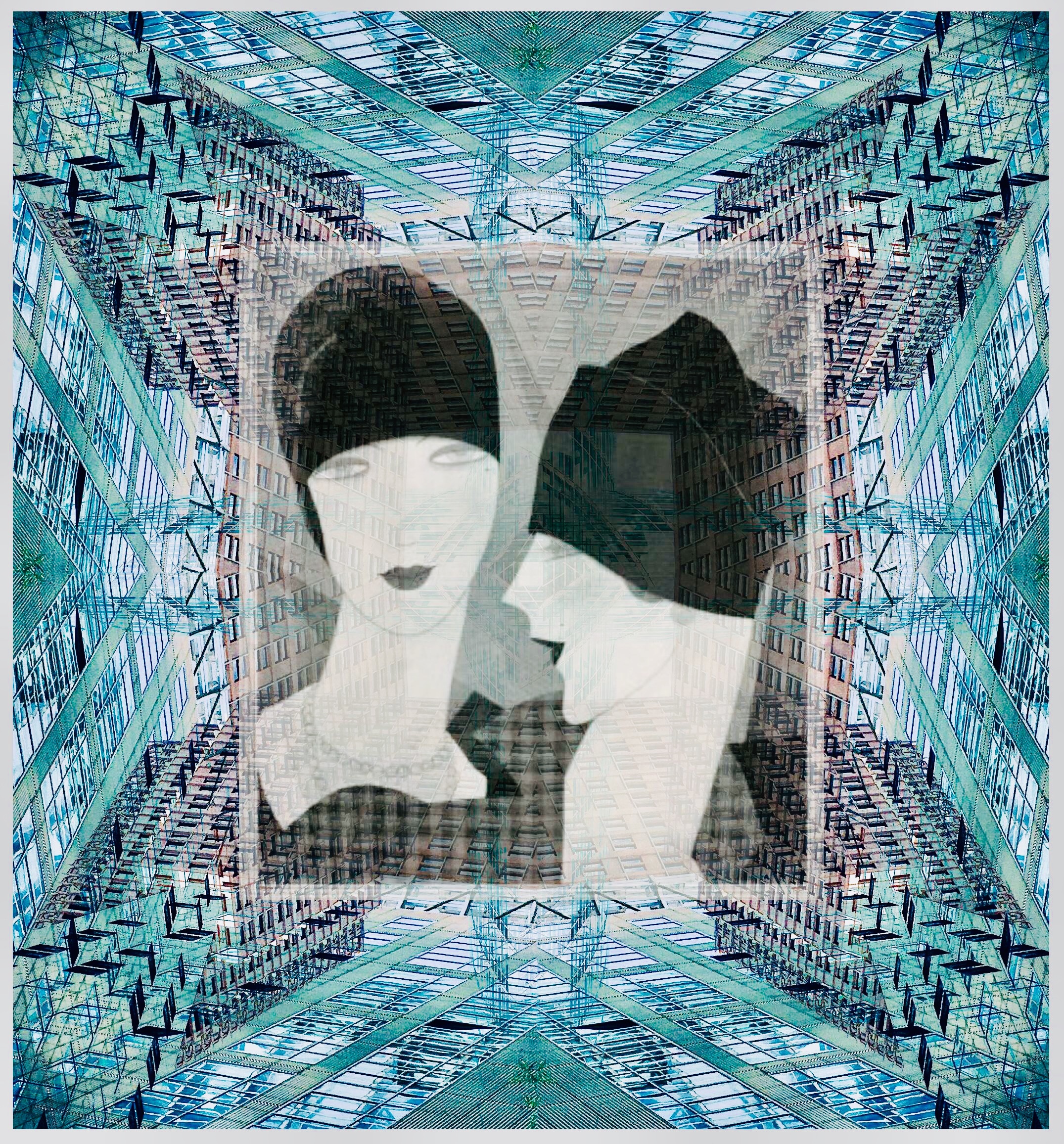
Reynaldo Luza’s illustration (1927) and my pattern based on my photo of a building in Berlin, Germany.

Miss Marple
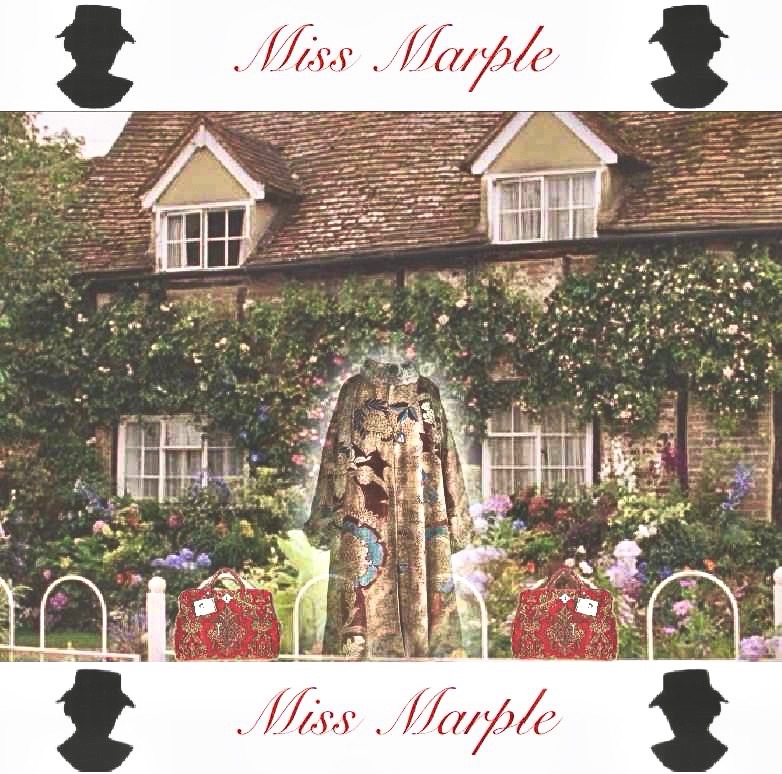
Miss Marple is a fictional character created by Agatha Christie. She is an old woman who conducts murder investigation as a hobby.
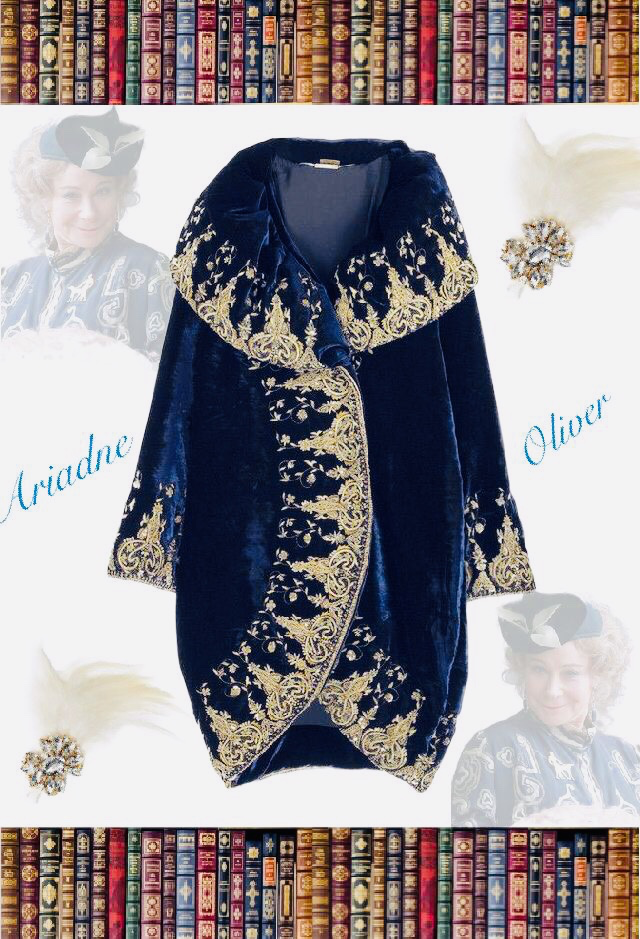

The fanciful Ariadne Oliver in the Agatha Christie novels
Paul Poirot’s coat (1920s), vintage feather clip, old books and photo of Ariadne Oliver played by Zöe Wanamaker in the Hercule Poirot tv serie. Ariadne Oliver is a fictional character in Agatha Christie novels. She is a writer of detective novels and is a friend of Hercule Poirot.


The vintage fashion photographer Edward Steichen
Native of Luxembourg, Edward Steichen (1879-1973) was a complete and prolific artist : photographer, painter, director, gardener… He is particularly renowned for his fashion photos which are poetic, artistic and often inspired by Antique Greece. The photographer exhibited his work in Paris in 1901 ; he became member of the London photographic society and met…


Portrait of a woman in the 1920s
Boucheron earrrings and necklace, face i created with photoshop (geometric shapes), mouth inspired by Benito, Egyptian eyes, 1920s Inspired accessories and mother of pearl texture for the skin. This set is influenced by Eduardo Garcìa Benito, the cubist artist Franz Hagenauer and Egytian art (eyes).


Elegance in the 1920s
“A woman can be over dressed but never over elegant”. Coco Chanel Artys’ necklace and earrings, drawing of an Art Deco woman by Sveta Dorosheva (Eduardo Garcìa Benito’s inspired), eyes and mouth from a Reynaldo Luza’s illustration (1927), mother of Pearl texture for the skin, 1920s hat, gold texture and pattern i made (background). This…


Autumn illustrated by Art Deco illustrators
Art Deco emerged in 1925, at the World’s Fair in Paris, France. This art movement is called Art Deco in reference to the name of the “Exposition Internationale des Arts décoratifs et industriels modernes”. George Barbier, George Wolfe Plank, Georges Lepape and Helen Dryden are renowned Art Deco illustrators.


The Art Deco illustrator André Édouard Marty
André Édouard Marty (1882-1974) was a French engraver and illustrator. He studied at the École des Beaux arts where he met the future Art Deco illustrators André Brissaud, Georges Lepape and Charles Martin. He was an important figure of the Art Deco movement. His fashion illustrations were published in prestigious magazines such as La gazette…


The French vintage Fashion House Jean Patou
The French couturier Jean Alexandre Patou (1887-1936) opened his dressmaker salon in 1912 named “Maison Parry”, located at roundabout of the Champs-Elysées in Paris. Becoming successful, he relocated his fashion house at the 7 rue Saint-Florentin in Paris and renamed it “Jean Patou & Cie” in 1914.

