
Colorful lady in the 1930s
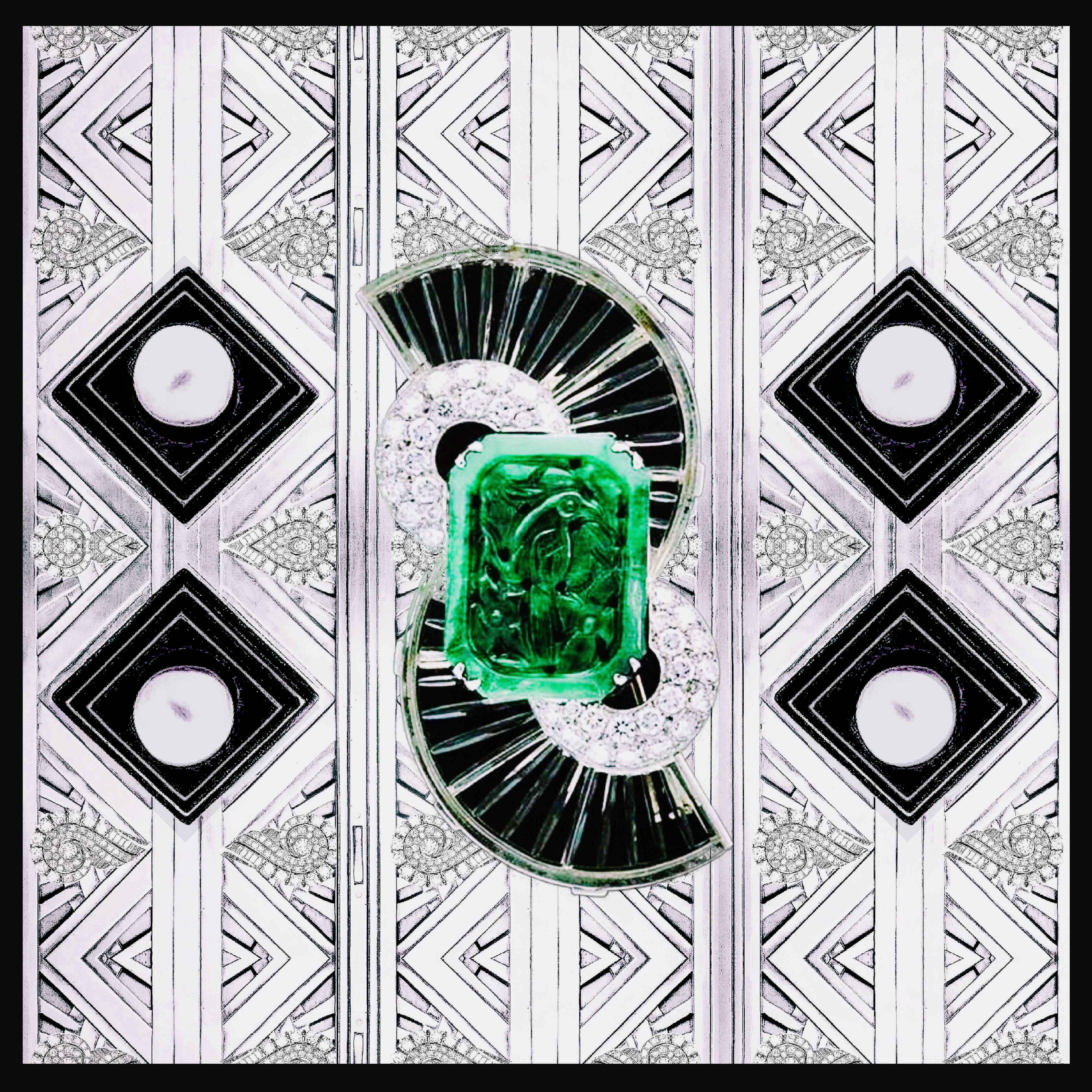
Art Deco turquoise earrings, 1930s illustration (Dolores) and my pattern.


Un air d’art Deco
Hanut Singh’s ring (pink crystal with a Burmese sapphire and diamond) and my pattern.


Art Deco inspired by the colorful India
Needlecraft January 1931 and Cartier tutti frutti jewels.


Luminous swirls
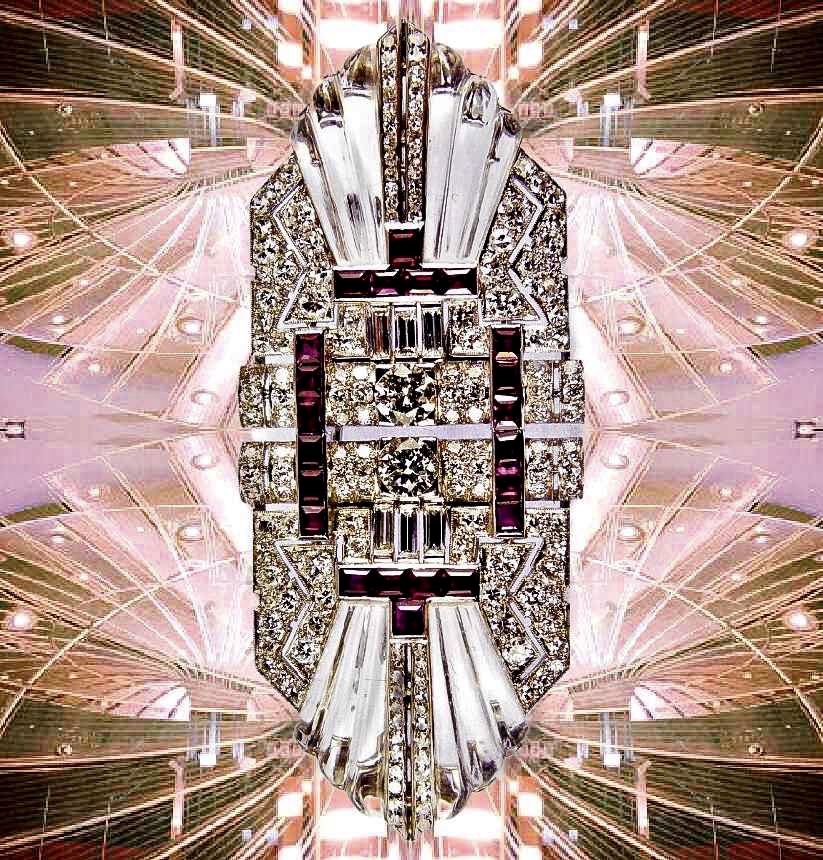
René Boivin’s sapphire and diamond brooch (1934), Boucheron’s swirl diamond earrings (1930s) and designs i did based on my photo of the galeries Lafayette in Berlin.


Art Deco geometry
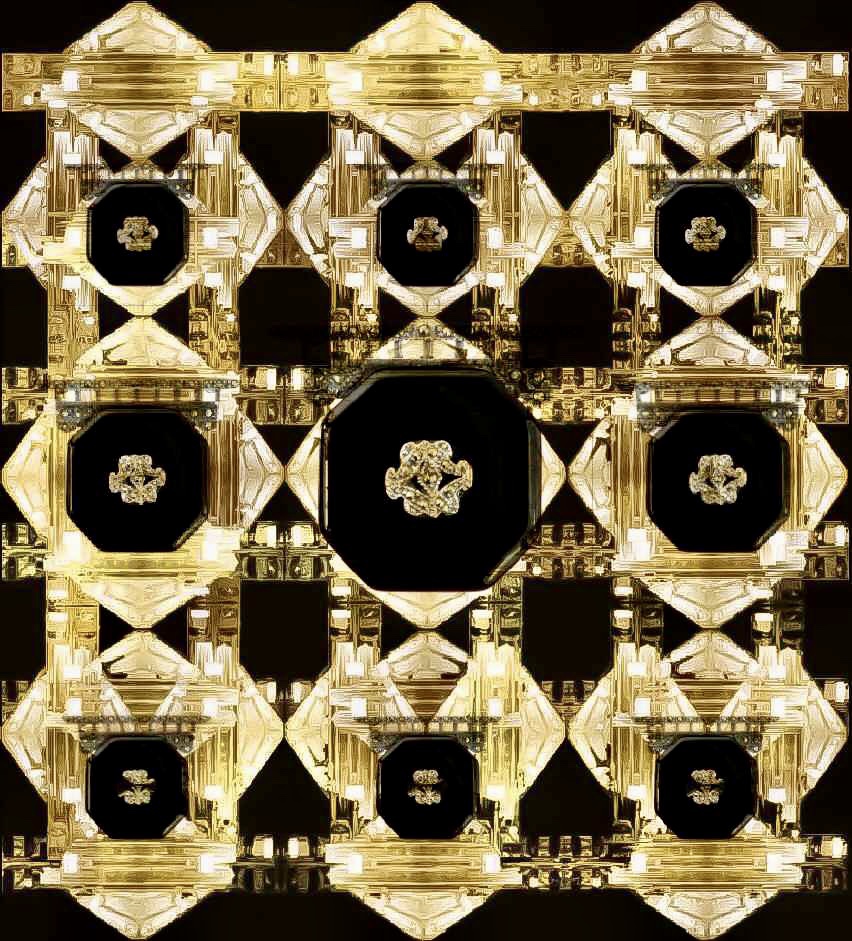
Art Deco octagon brooch (black onyx) and patterns i designed with photoshop.


Art Deco beauty
Suzanne Belperron’s scroll diamond earrings, Cartier’s aquamarine clip brooch (1930s) and diamond and enamel plaque brooch. The background is a design I did with photoshop based on my photo of the Galeries Lafayette in Berlin.
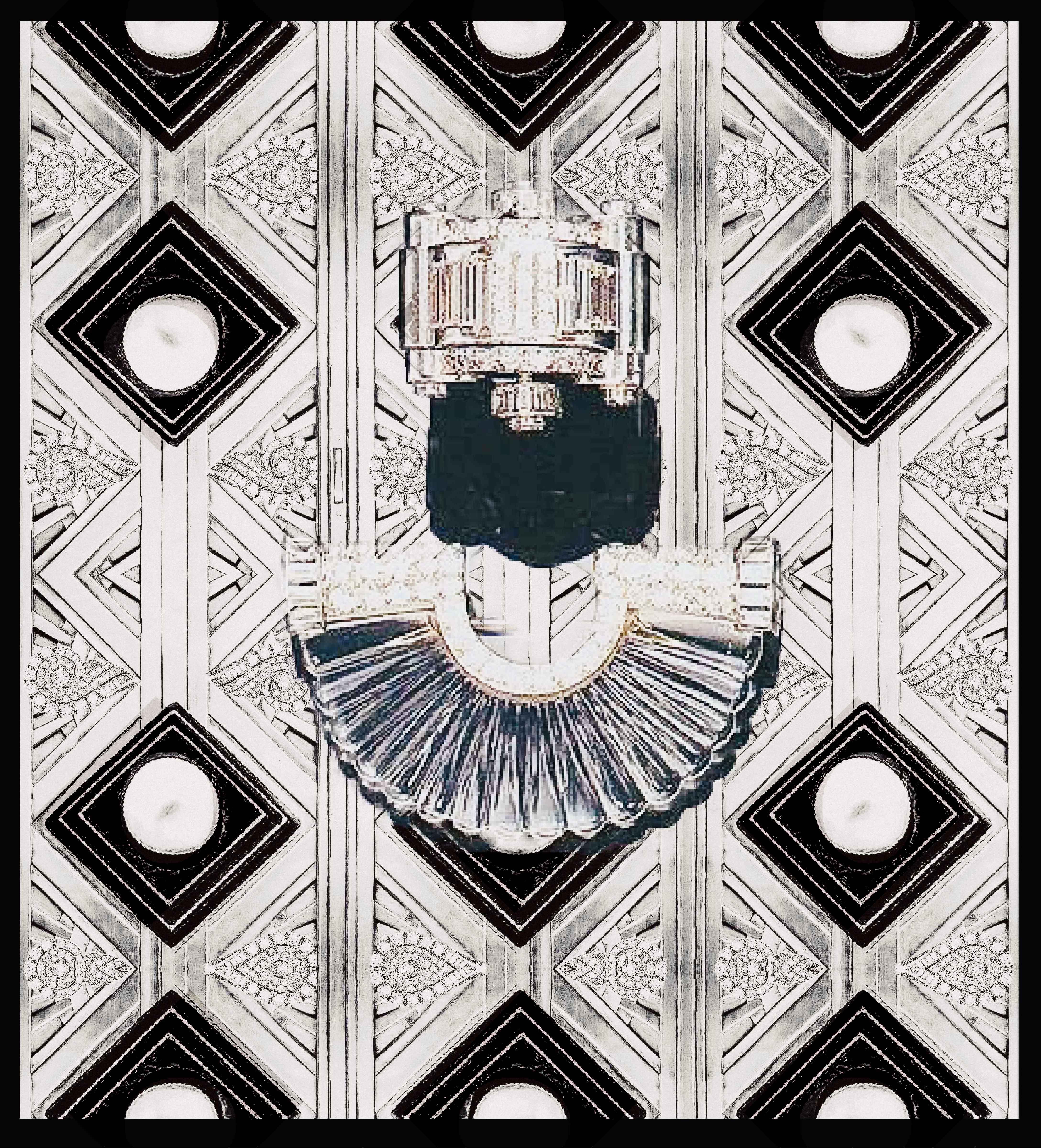

Black Art Deco
Suzanne Belperron scroll earrings, a brooch, René Boivin ring and Art Deco metallic structure.


Victorian Aesthetic jewelry : History and styles (1885-1901)
The Late Victorian era (1885-1901) was also referred to the ‘Aesthetic Period’. Conservatism and tradition were rejected. Jewels of this period were different from the previous typed of jewelry. The Jewels became simpler, lighter, smaller (studs…), less heavy, less dark but feminine. These jewels fitted with an active life.


Victorian mourning jewelry : History and styles (1860-1885)
The Grand Period or the grand mourning (1861 to 1880) began with the death of Prince Albert followed with the death of her mother in 1861. Queen Victoria went into deep depression and mourning.


Victorian Romantic Jewelry: History and styles (1837-1860)
The Romantic period (early Victorian reign, 1837-1860) celebrated and represented the love of a nation for its young queen and the love between the Queen Victoria and her husband. Jewels were used to symbolize and express sentiments.


Dans un écrin de lumière
Hélène Courtaigne-Delalande ring and photo made with photoshop based on my photo of the Galeries Lafayette in Berlin. More photos made by photoshop :


The Grand Duchess Tatiana Nikolaevna of Russia
Photo of the Grand Duchess of Russia, Fabergé frame and my floral patterns. The Russian jewelry House Fabergé was founded by Gustav Fabergé (1814-1893). His son, Peter Carl Fabergé (1846-1920) is the famous Russian jeweler who created the famous Fabergé Eggs (Easter eggs were made as gifts for the Tsars Alexander III and Nicholas II’s…
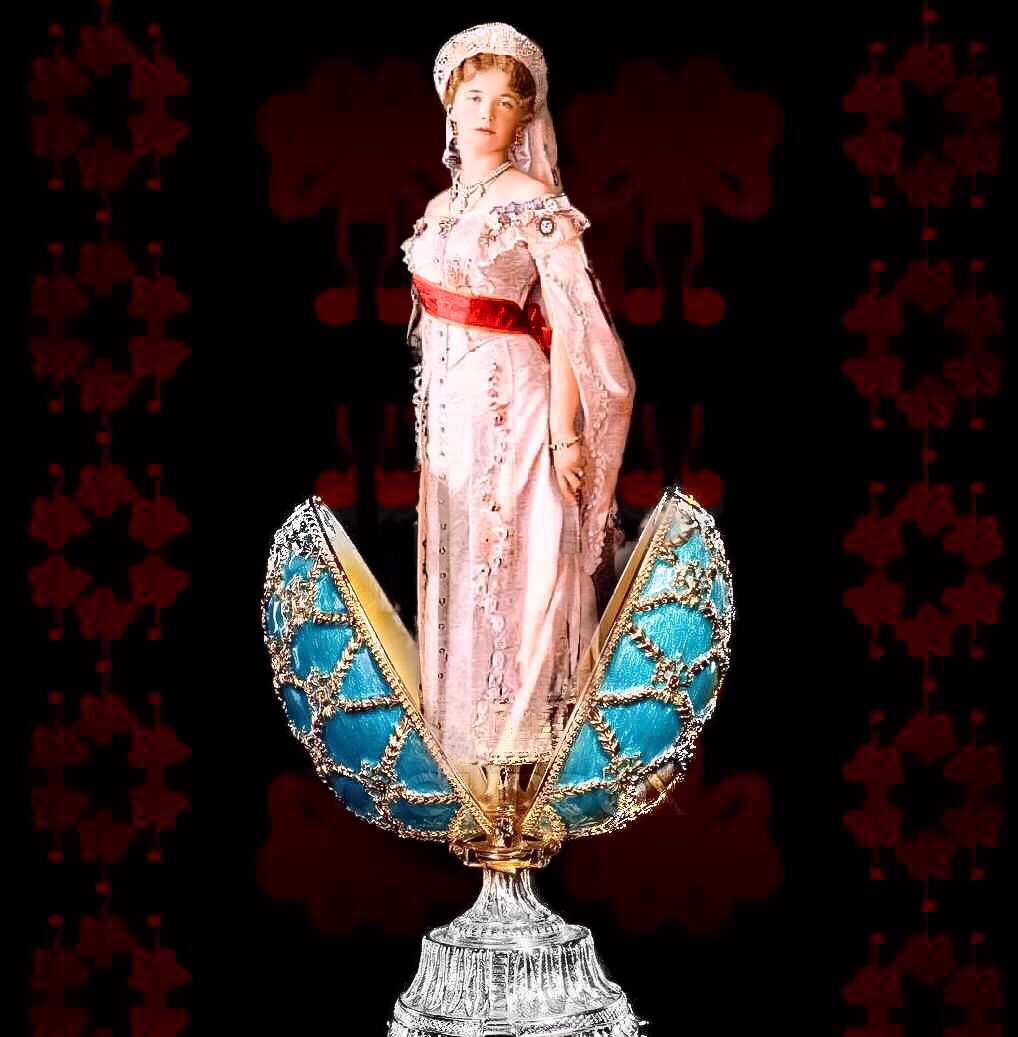

The Grand Duchess Olga Nikolaevna of Russia
Portrait of Olga Nikolaevna of Russia, Fabergé Egg and my flower patterns. The Russian jewelry House Fabergé was founded by Gustav Fabergé (1814-1893). His son, Peter Carl Fabergé (1846-1920) is the famous Russian jeweler who created the famous Fabergé Eggs (Easter eggs were made as gifts for the Tsars Alexander III and Nicholas II’s wives…